Phone:+8613832323151
Fax:0311-66516568
Email:hsdsjz@126.com
Address: North of Xucun Village, Qiutou Town, Circular Chemical Industry Park, Shijiazhuang City, Hebei Province
In industrial production, municipal water supply, sewage treatment, and circulating water maintenance scenarios, problems such as substandard water quality, pipeline scaling, equipment corrosion, bacterial growth, and water turbidity are very common. These not only affect water safety and production efficiency, but also shorten the service life of water treatment equipment and pipeline systems, and increase operation and maintenance costs. Water treatment agents are the core consumables for solving various water quality problems, standardizing water treatment processes, and ensuring water quality meets standards.
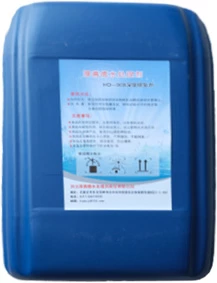
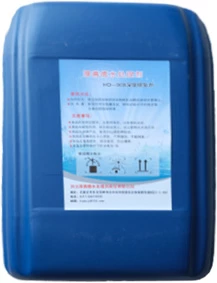
Many users are unclear about the construction and daily operation of water treatment systemsWater treatment chemicalsThe specific attributes and functions cannot be reasonably selected based on water quality conditions. This article will provide a detailed explanation of the basic definition, mainstream classification, and core role of water treatment agents in the entire water treatment process, helping various users to scientifically understand and standardize the use of water treatment agents, and improving water treatment effectiveness and system operation stability.
1、 What is a water treatment agent?
Water treatment agents are a class of chemical additives specifically used for water purification, water regulation, and water system protection. They are also essential core materials in water treatment processes. It mainly improves the comprehensive quality of water bodies, treats various impurities and pollutants in water, and protects water circulation equipment and pipeline systems through various methods such as physical adsorption, chemical reactions, charge neutralization, and microbial inhibition.
The adaptation scenarios of water treatment agents are extensive, covering various water treatment scenarios such as municipal drinking water treatment, industrial wastewater treatment, industrial circulating cooling water, boiler water, sewage standard discharge, seawater desalination, and reclaimed water reuse. According to different water quality conditions and treatment targets, corresponding types of chemicals can be matched to meet production and use standards or environmental discharge standards, helping to promote water resource recycling and water environment management.
The commonly used water treatment agents on the market mainly include coagulants, coagulants, scale inhibitors, corrosion inhibitors, fungicides, disinfectants, pH regulators, oxygen scavengers, and other categories. Each type of agent has a clear functional positioning and performs its own duties to jointly complete the entire water treatment process.
2、 Introduction to mainstream categories of water treatment agents
Different types of water treatment agents correspond to different water quality problems and treatment processes. Understanding the basic categories is the prerequisite for mastering their core functions and the key to scientific selection.
1. Coagulants and coagulants: Belonging to the category of water purification agents, representative products include polyaluminum chloride (PAC), polyacrylamide (PAM), aluminum sulfate, etc. They are mainly used to remove suspended particles, colloidal impurities, organic matter, sediment, algae and other pollutants in water, and are the core agents for sewage and raw water pretreatment.
2. Scale inhibitor and dispersant: Belonging to the category of system protection agents, they are commonly used in industrial circulating water, boiler water, and reverse osmosis pure water systems. They can inhibit the crystallization and precipitation of calcium and magnesium ions, prevent the formation of scale and dirt on the inner walls of pipelines and equipment.
3. Corrosion inhibitor: Developed for metal pipelines, heat exchange equipment, and boiler equipment, it can form a protective film on the metal surface, isolate water corrosive media, and reduce equipment corrosion and aging rates.
4. Fungicides and disinfectants are divided into two categories: oxidizing and non oxidizing. They mainly inhibit and kill bacteria, algae, and microorganisms in water, prevent the growth of mud and bacteria in water, and prevent biological mud from blocking pipelines and polluting water quality.
5. Auxiliary regulating agents: including pH acid and alkali adjusters, deoxidizers, decolorizers, degreasers, etc., used to regulate the acidity and alkalinity of water bodies, remove dissolved oxygen in water, degrade chromaticity, separate oil and grease impurities, and adapt to special water quality treatment requirements.
3、 The core role of water treatment agents in the water treatment process
The purification, stability maintenance, and protection effects of the entire water treatment process are mostly achieved through the collaboration of various water treatment agents. The core role is mainly reflected in four dimensions: water quality purification, system protection, water quality regulation, and energy conservation and consumption reduction, solving various water treatment pain points from multiple perspectives.
1. Purifying water bodies and removing various pollutants
This is the fundamental and core role of water treatment agents. Natural water bodies, production wastewater, and domestic sewage contain a large amount of visible or invisible impurities, including suspended sediment, colloidal particles, organic pollutants, heavy metal ions, algae, color, oil, etc., which cannot be removed solely by physical filtration.
Coagulants and flocculants can aggregate small impurities in water into large flocs through charge neutralization, adsorption bridging, and rapid precipitation separation, effectively reducing water turbidity and color; Defoamers and degreasers can selectively degrade the color of wastewater and separate floating oil; Specialized heavy metal capture agents can solidify heavy metal ions in water to achieve standard removal. Through the synergistic effect of various purification agents, the clarity of water bodies can be quickly improved, enabling sewage and raw water to meet basic water quality standards and meet subsequent deep treatment requirements.
2. Inhibit scaling and blockage to ensure stable operation of the water system
During the operation of industrial circulating water, boiler water, and reverse osmosis systems, minerals such as calcium, magnesium, and carbonate in water are prone to crystallize and precipitate under high temperature, high pressure, and concentration conditions, adhering to the surfaces of pipelines, heat exchangers, and membrane components, forming hard scale. The accumulation of scale can cause pipeline blockage, decrease heat transfer efficiency, increase equipment energy consumption, and in severe cases, lead to equipment failure and shutdown for maintenance.
Scale inhibitors and dispersants can effectively interfere with the mineral crystallization process, disperse small scale particles in water, prevent the adhesion and accumulation of scale bodies, and loosen and peel off slight old scale on the inner wall of equipment, continuously maintaining the smoothness of pipelines, equipment, and membrane components, ensuring the long-term stable operation of water circulation systems, heat exchange equipment, and pure water equipment, and reducing the frequency of equipment failures.
3. Reduce equipment corrosion and extend the service life of water treatment equipment
The acidic and alkaline ions, dissolved oxygen, microorganisms, chloride ions and other media in water will continue to corrode metal equipment and pipelines such as carbon steel, stainless steel, copper, etc. Long term operation will cause equipment corrosion, thinning of pipe walls, leakage, damage and other problems, greatly increasing equipment replacement and maintenance costs.
Corrosion inhibitors can form a dense protective film on the inner wall of metal equipment, isolating the contact between the corrosive medium of water and the metal surface, effectively suppressing electrochemical corrosion and oxidative corrosion, and reducing the corrosion rate of equipment. When used in conjunction with a deoxygenation agent, it can remove dissolved oxygen in water, further reducing oxidative corrosion, providing multi-faceted protection for equipment such as boilers, cooling towers, heat exchangers, and water pipelines, and extending the service life of the equipment.
4. Kill bacteria, algae and microorganisms, eliminate biological pollution and mud blockage
Long term circulating water with suitable temperature and sufficient nutrients is prone to breed a large number of bacteria, algae, and microorganisms, forming biofouling. Mud adheres to the surfaces of pipelines and equipment, which not only clogs the pipelines and reduces heat transfer efficiency, but also breeds harmful bacteria, causing secondary pollution of the water body and affecting the quality of the effluent. Some working conditions may also have problems such as odor and sticky water quality.
Water treatment fungicides and algaecides can selectively inhibit and kill various harmful microorganisms and algae in water bodies, destroy the living environment of bacteria and algae, remove biological sludge from water bodies, prevent the accumulation of biological dirt, continuously maintain water cleanliness, avoid water quality problems and equipment blockage caused by excessive microorganisms, and ensure the long-term stability of circulating water bodies.
5. Adjust water quality indicators to meet water use and discharge standards
Different production scenarios and environmental emissions have strict requirements for water quality indicators. Problems such as acid-base imbalance, excessive dissolved oxygen, and hardness in water bodies can all lead to substandard water quality, affecting production or causing environmental compliance issues.
PH regulators can accurately adjust the acidity and alkalinity of water bodies, adapting to the water needs of various production processes; Deoxidizer can reduce the dissolved oxygen content in water, suitable for boilers and closed circulating water systems; Softening agents can reduce the hardness of water bodies and minimize the risk of scaling. By accurately adjusting various water quality indicators through pharmaceuticals, the effluent quality can be matched with production water standards, reuse standards, or environmental discharge standards, avoiding production and compliance risks caused by substandard water quality.
6. Reduce operation and maintenance costs, achieve energy conservation and consumption reduction
Untreated water bodies are prone to impurities, scaling, corrosion, and rapid growth of bacteria and algae, which can lead to a decrease in equipment heat transfer efficiency, increased energy consumption, frequent maintenance and early replacement of equipment, resulting in high overall operation and maintenance costs.
Scientific use of water treatment agents can solve problems such as scaling, corrosion, pollution, and blockage from the source, improve water treatment efficiency, reduce equipment energy consumption and maintenance frequency, reduce equipment replacement costs, and improve sewage reuse rate, saving water resources and helping enterprises achieve energy conservation, cost reduction, and efficiency improvement in the water treatment process.
4、 Summary
Simply put,Water treatment chemicalsIt is a core additive for water purification, equipment protection, and water quality stability maintenance, with core values concentrated in two dimensions: first, purifying water bodies, removing impurities, regulating indicators, and ensuring that effluent water quality meets standards; The second is to prevent scaling, inhibit corrosion, kill bacteria and algae, and protect the stable operation of water treatment equipment and pipeline systems.
Whether it is municipal water purification, industrial production water, sewage treatment, or circulating water operation and maintenance, the reasonable matching and standardized use of water treatment agents can effectively optimize water treatment efficiency, reduce operation and maintenance costs, and extend equipment life. It is an important guarantee for the stable and compliant operation of modern water treatment systems.
Company phone:+8613832323151
Company Email: hsdsjz@126.com
Company address: North of Xucun Vilage,Qiutou Town,Shijiahzuang Circular Chemical Park,Hebei Province